For teachers and students of English

miércoles, 13 de diciembre de 2017

Questions, questions, questions!


MAKE A GENERAL KNOWLEDGE QUIZ FOR YOUR FRIENDS.

STEP 1:  Look at the example above.

STEP 2: Create different categories (animals, books, sport, etc.)

STEP 3:  Brainstorm ideas for questions. 

STEP 4:  Look for information on the internet.

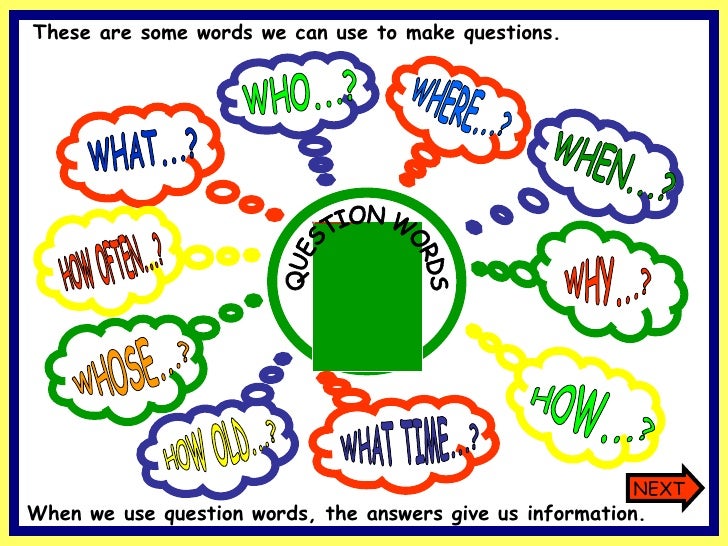
STEP 5:  Write down your questions.  Use adjectives, ordinal numbers, correct spelling and grammar and question words.


EXAMPLE:

million pound drop game

lunes, 11 de diciembre de 2017

PREPOSITIONS OF PLACE


LISTEN AND WATCH

Look at pictures and read the words below then watch the video.


LET'S TALK

Use complete sentences and the words below.

KEY VOCABULARY:              Father Christmas / Santa Claus;       Christmas tree;      
                                                                                                                                                                                          elf / elves;      candy cane;       reindeer;       gingerbread house

WORKSHEET

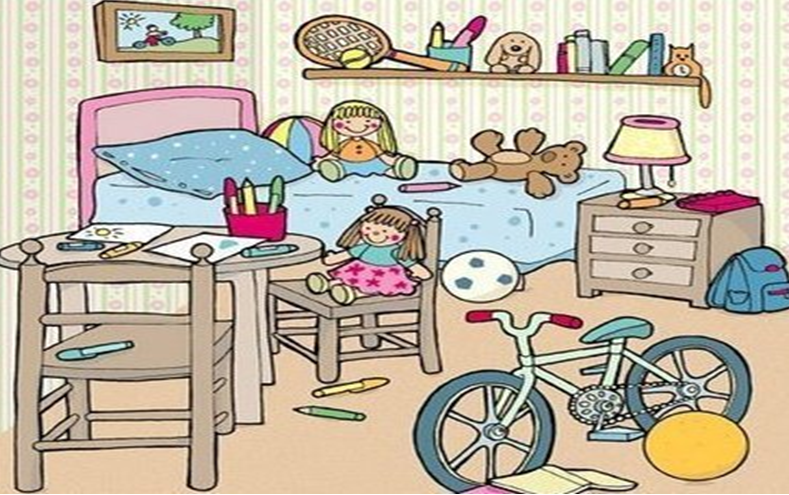
DESCRIBE YOUR BEDROOM


ONLINE ACTIVITIES

PREPOSITIONS OF PLACE ACTIVITIES

domingo, 10 de diciembre de 2017

PHRASAL VERBS


PHRASAL VERBS

Definition
A phrasal verb is a VERB+PREPOSITION/ADVERB combination.
It is very common to place prepositions or adverbs after certain verbs so as to obtain a variety of meanings.

examples:
give away - give to someone / anyone
give up - abandon (a habit or attempt)
look after - search for, seek
look out - beware / be careful

Whether a preposition or adverb is used is not important.  What is important is to understand the phrasal verb as a complete expression.

1. Multiple meanings
It is possible for a phrasal verb to have more than one meaning.
eg. take off (remove or rise from the ground)

- He took off his coat.
- The plane took off half an hour late.

2. Transitive or Intransitive Verbs

Transitive verbs require an object.  
eg. I am looking for my wallet.

Intransitive verbs cannot have an object.
eg.  Look out!  You're going to fall!

3. Transitive expressions
Noun objects are usually placed at the end of these expressions.

eg. He took off his coat.

However, with some expressions, they can also be placed immediately after the verb.

eg.  He took his coat off.

4. Pronoun Objects
Pronoun objects can sometimes be placed at the end of an expression.

eg.  We are looking for them.

It is, however, more common for them to be placed after the verb.

eg.  He took it off.

This position is usual before the following short words: 
up, down, in, out, away, off and on (except when used in the expression call on - visit).

eg.  I'll give away these toys.  I'll give them away.

5. Verb Objects

When these expressions are followed by a Verb Object and preceded by a preposition, the gerund form of the verb is used.


eg.  He kept on whistling loudly.


CLICK ON THE LINKS


WORKSHEETS


ONLINE ACTIVITIES


domingo, 3 de diciembre de 2017

THERE IS / THERE ARE

VIDEOS

Watch and listen.


SPEAKING

1. Look at the pictures.  Describe them.  Use the table above.

2. Look at the pictures.  Ask and answer questions.  Use the table above.


WRITING

Look at the pictures.  Write sentences.

INDEPENDENT PRACTICE

ONLINE ACTIVITIES

1. DIFFICULTY: EASY                Practise THERE IS / THERE ARE

2. DIFFICULTY: MEDIUM           There is / there are

3. DIFFICULTY: DIFFICULT        Six games

miércoles, 29 de noviembre de 2017

PAST TENSES

EXPLANATIONS AND ACTIVITIES. 

Look at the images and click on the links.


PAST SIMPLE


PAST PERFECT


PAST CONTINUOUS


PAST PERFECT CONTINUOUS

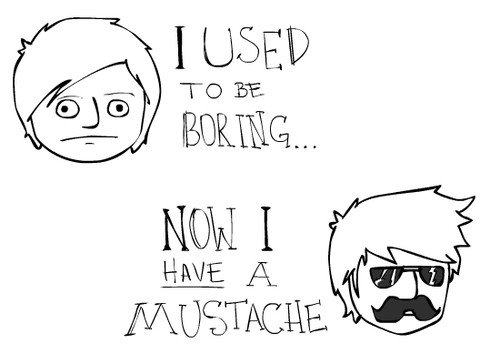
USED TO

BE CAREFUL: 

I used to go jogging every day but I don't anymore.

I'm used to rushing from place to place.  I've always been a very active person.

COMPARATIVE AND SUPERLATIVE ADJECTIVES


COMPARATIVE ADJECTIVES
Video

SPEAKING:

Look at the pictures.  Write down adjectives to describe them.  Compare the two pictures, A and B.  Use Comparative adjectives and THAN.


WRITING: 

Look at the spelling rules for Comparative adjectives.


Study the spelling rules for comparative adjectives. Choose pairs of animals. Click on the links below.  Read about the animals.  Make a chart.  Compare them.


SUPERLATIVE ADJECTIVES
Video


SPEAKING:

Look at the spelling rules for Superlative adjectives.  Talk about the animals above.  Use Superlative adjectives.
WRITING:

Look at the spelling rules for Superlative adjectives.  write descriptions of the animals above.  Use Superlative adjectives.


COMPARATIVE AND SUPERLATIVE ADJECTIVES
Video

ONLINE ACTIVITIES

VIDEO, EXPLANATION, ACTIVITIES

WEBQUEST  

Click on the links below and choose the correct answers.
mountains
Earth's moon
countries
rivers
animals

INDEPENDENT PRACTICE


COMPARATIVE AND SUPERLATIVE ADJECTIVES

WORKSHEET
Rules, explanations and activities

activities

Comparing and contrasting – modifying comparatives 

Video and activity


GRADABLE AND NON-GRADABLE ADJECTIVES

quick-grammar/adjectives-gradable-non-gradable

lessons/gradable-and-ungradable-adjectives

Also check out, Big ESL ideas for small learners

lunes, 27 de noviembre de 2017

PAST SIMPLE AND PAST CONTINUOUS (A2-B1)


VIDEO: Past Continuous Tense vs. Past Simple: The Mysterious Stalker 


ACTIVITIES


Past Simple Tense


WATCH THE VIDEO AND COMPLETE THE SENTENCES

GAME: IRREGULAR PAST SIMPLE VERBS

WATCH THE VIDEO AND COMPLETE THE ACTIVITY

Past Continuous Tense

PAST CONTINUOUS TENSE

Past Simple and Past Continuous Tense

GRAMMAR STORY: THE MYSTERIOUS STALKER


PAST CONTINUOUS PRACTICE

SPEAKING AND WRITING


REMEMBER: 

- We can introduce the Past Continuous using;
     WHILE, AS and WHEN.

- We usually introduce the Past Simple using, WHEN.

Activity 1
Activity 2


WORKSHEETS


Also check out Big ESL ideas for small learners