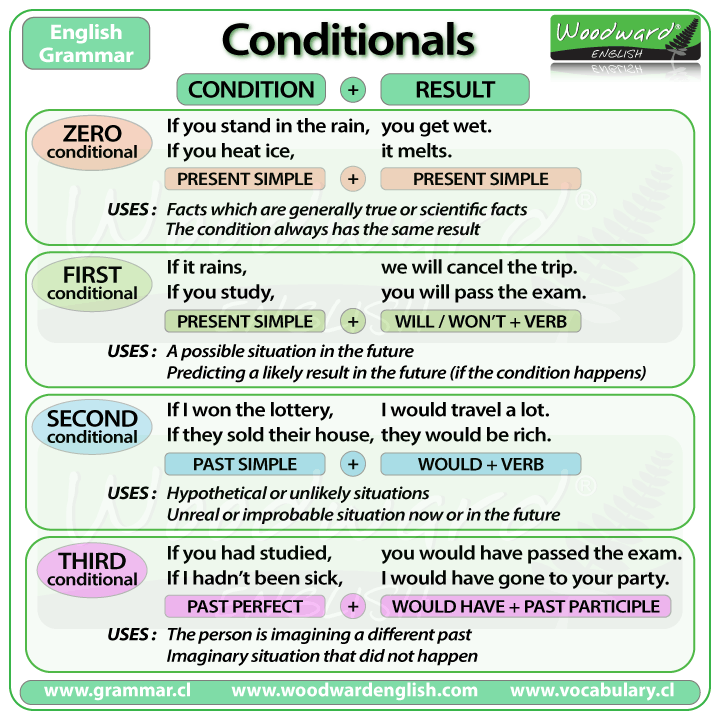
zero conditionals in films
first conditionals in films
second conditionals in films
third conditionals in films
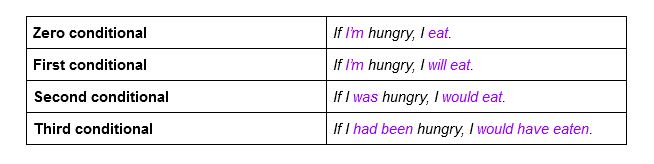
LET'S PRACTISE!
zero conditionals in films


PAST SIMPLE TENSE
INSTRUCTIONS
1. There are 25 questions.
2. You must click on the link to find the answers.
3. Write the answers in your notebook or on your worksheet.

CHRISTMAS
OTHER IMPORTANT RELIGIOUS FESTIVALS AT THIS TIME OF THE YEAR
DIWALI
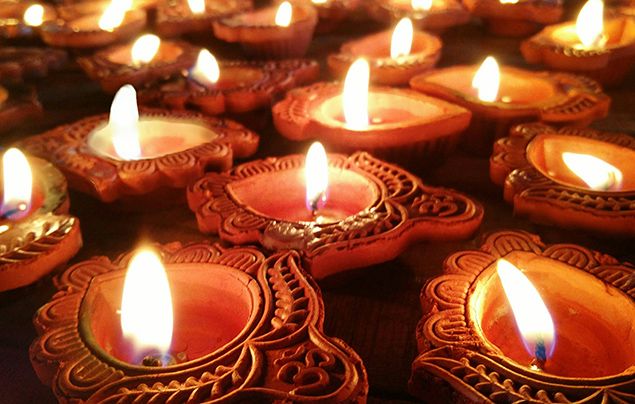
9. Which religions celebrate Diwali?
10. What happens on each day of Diwali?
11. During which months is the Festival of Lights celebrated?
12. What kind of displays do some cities put on to celebrate Diwali?
13. What language does the word "Diwali" come from and what does it mean?
HANUKKAH

1. In the opening scene of the video, you can see
some of the foods that people eat at Thanksgiving. Write down as many different foods as you
can.
2. When and where do people celebrate Thanksgiving?
3. What do people do at Thanksgiving?
4. Who started the Thanksgiving tradition?
5. How and why did they come to America?
6. What happened to them during their first winter in America?
7. How did a local Native American tribe, the Wampanoag,
help them?
8. How and why was the first Thanksgiving
celebrated?
9. When did the first Thanksgiving take place?
a. The Winter of 1620
b. The Autumn of 1621
c. The Spring of 163
d. The Summer of 1682
10. When did Sarah Josepha Hale campaign to make
Thanksgiving a national holiday?
a. 1882 b.
1867 c. 1827 d. 1897
11. Abraham Lincoln declared that Thanksgiving
would be celebrated
a. Every Thursday of November
b. The first Thursday of November
c.The last Thursday of November
d. The third Thursday of November
12. When did Thanksgiving officially become a
public holiday?
a. 1942 b.
1842 c. 2022 d. 1862
13. What would have happened to the European
immigrants if the Wampanoag tribe had not helped them?
a. They would have gone back to England.
b. They would have died.
c. They would have moved to a different place.
d. They would have killed the Native Americans.
14. How do people celebrate Thanksgiving today?
15. Which food is not mentioned in the video?
ham mashed potatoes chocolate cake cranberry sauce
stuffing pumpkin pie green beans
turkey pasta mac and cheese cauliflower
sweet potato casserole with marshmellows
16. When will Thanksgiving be celebrated this year?
THANKSGIVING FACTS: CLICK HERE
VOCABULARY GAMES
For example:
She ran quickly to school.
James realised he had forgotten his homework so he walked quickly back to the house.
Despite wind and rain, Peter and Mary wanted to stay outside.
PARENTHETICAL PHRASES
WHAT ARE PARENTHETICAL PHRASES?
Essential: The man in the red and grey T-shirt is a video game designer.
Nonessential: The detectives, hoping to catch the criminal before he escaped, took a shortcut through the park.

But without giving any spoilers or revealing plot twists! As a general rule, try to avoid writing in detail about anything that happens from about the middle of the book onwards. If the book is part of a series, it can be useful to mention this, and whether you think you'd need to have read other books in the series to enjoy this one.
Focus on your thoughts and feelings about the story and the way it was told. You could try answering a couple of the following questions:
Talk about why you think it didn't work for you. For example:
Summarise some of your thoughts on the book by suggesting the type of reader you'd recommend the book to. For example: younger readers, older readers, fans of relationship drama/mystery stories/comedy. Are there any books or series you would compare it to?
